
Engineering a cow-free whey protein
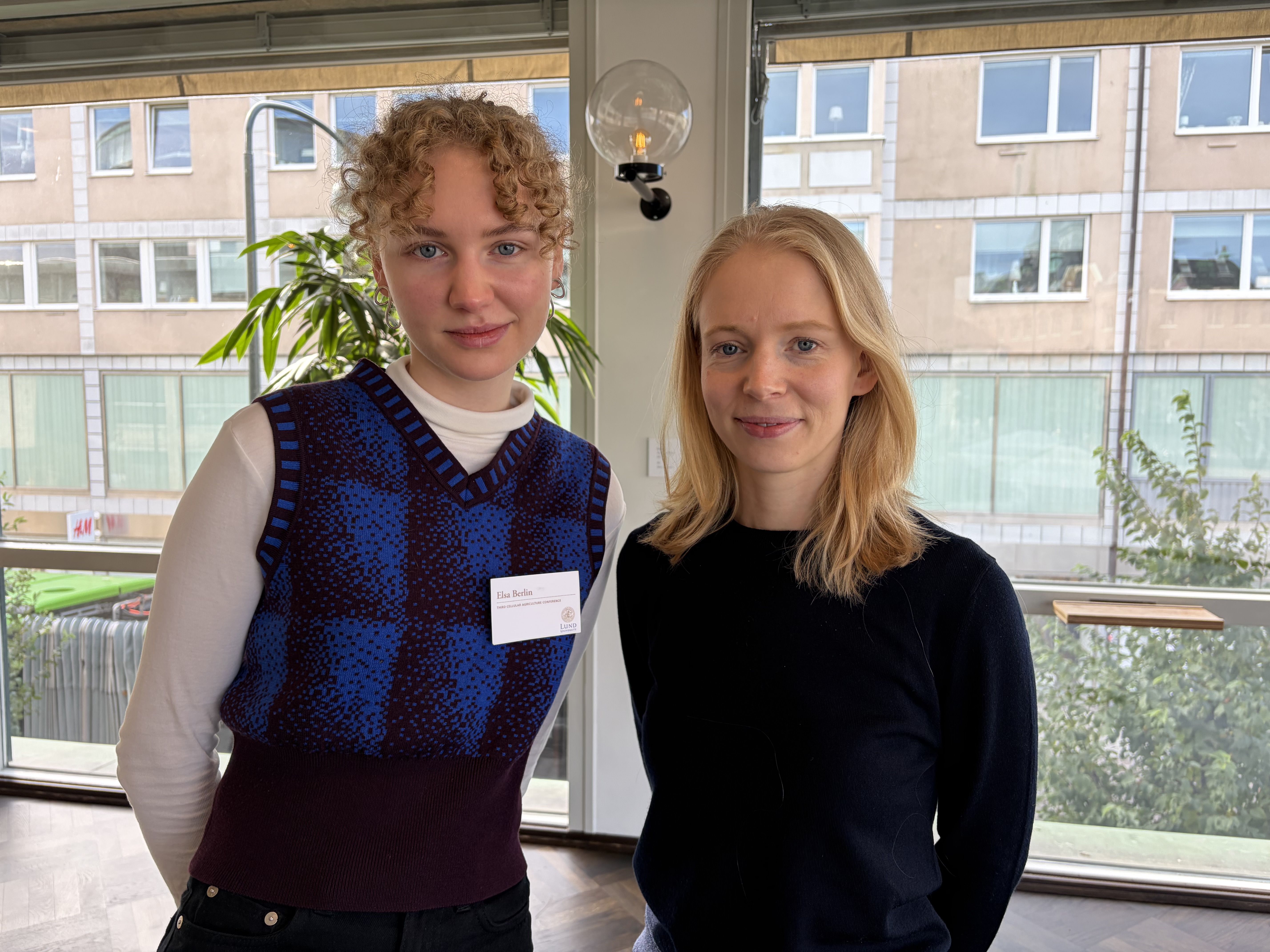
Researchers in the Hudson Lab at KTH are working to engineer a cow-free whey protein based on β-lactoglobulin (BLG). Beta-lactoglobulin is a source of essential amino acids and has important functional properties that make it useful in many food products.
Their work shows promising results: they have increased protein yields and improved both the thermal stability and nutritional composition of the protein.
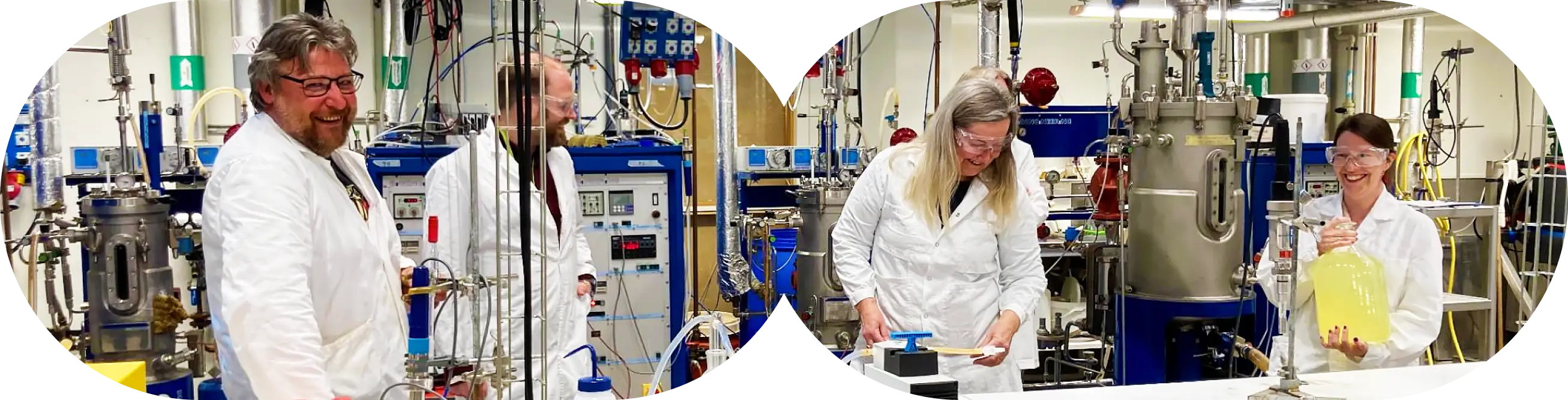
Biotech Heights spoke to postdoc Maija Greis and research engineer Elsa Berlin about their research and why they decided to engineer whey protein, specifically β-lactoglobulin (BLG), the most abundant protein in whey. Utilsing precision fermentation, they use microorganisms, such as yeast or bacteria, to produce the proteins. In the lab at KTH, they can produce natural proteins but also engineer them to improve their nutritional and functional properties.
"We aim to understand what trade-offs happen when we engineer a food protein to be more stable. β-lactoglobulin is a small and versatile protein, which makes it interesting to engineer,” says Maija Greis, postdoctoral researcher in the Hudson group at the Department of Protein Science at KTH.
Maija Greis, Elsa Berlin and their colleagues had two goals with the research: to improve the protein’s thermal stability and its amino acid profile, including increasing levels of leucine, an amino acid that plays a key role in muscle growth and recovery.

“Whey proteins are sensitive to heat, which can cause them to unfold and stick together, forming aggregates. This can affect for example the stability of food products. Our engineered proteins are more heat-stable, meaning they can tolerate higher temperatures before unfolding,” says Maija Greis.
By improving the thermal stability, the researchers were also able to increase the β-lactoglobulin protein yield, as well as the essential amino acids present in the protein.
“It is exciting to see how these properties are connected. If we can increase the amount of protein produced, that is already a big improvement. Production costs are one of the major challenges in bringing these proteins to consumers," says Maija Greis.
Maija Greis and Elsa Berlin highlight how enginered cow-free whey proteins can have multiple uses in the future. They could, for example, be added to plant-based milks to improve nutrition, or to vegan yoghurt, since their good gelling properties adds a creamy texture to foods. In the future, it may also be possible to reduce allergenicity by engineering whey proteins that do not trigger allergic reactions.
“Up to now, protein design has not been used widely to redesign food proteins, except for single properties, for example to change sweetness. Our work shows that there are many options for how to create new ingredients that can make our food more nutritious,” says Elsa Berlin, research engineer in the Hudson lab at the Department of Protein Science at KTH.
What makes Maija Greis and Elsa Berlin excited about working with biotechnology and food?
“Everyone needs to eat, so issues related to food production and nutrition are not going to go away. Today, roughly one-third of greenhouse gas emissions come from agricultural food systems, and with precision fermentation we can try to lower that,” says Maija Greis.
Maija Greis also appreciates the possibilities to learn new skills:
“This work is a great opportunity for me to learn molecular biology and microbial protein production, since I come from an applied food background. The fact that we are such an interdisciplinary group is also beneficial and fun, as we need many skills to do this work.”
Elsa Berlin says:
“I like that our work is applied. When I say that I work with food proteins, people can understand it straight away. At the same time, it also answers more fundamental questions about proteins.
Read more about the Hudson group at KTH

Join us in unlocking the potential of biotechnology.
We are looking forward to new partnerships.
Connect with us to collaborate.

Subscribe to our newsletter
Get the latest updates, news and events from Biotech Heights.
We issue the newsletter 5-7 times a year.