
A national roadmap can leverage the potential of biotechnology to transform the food system
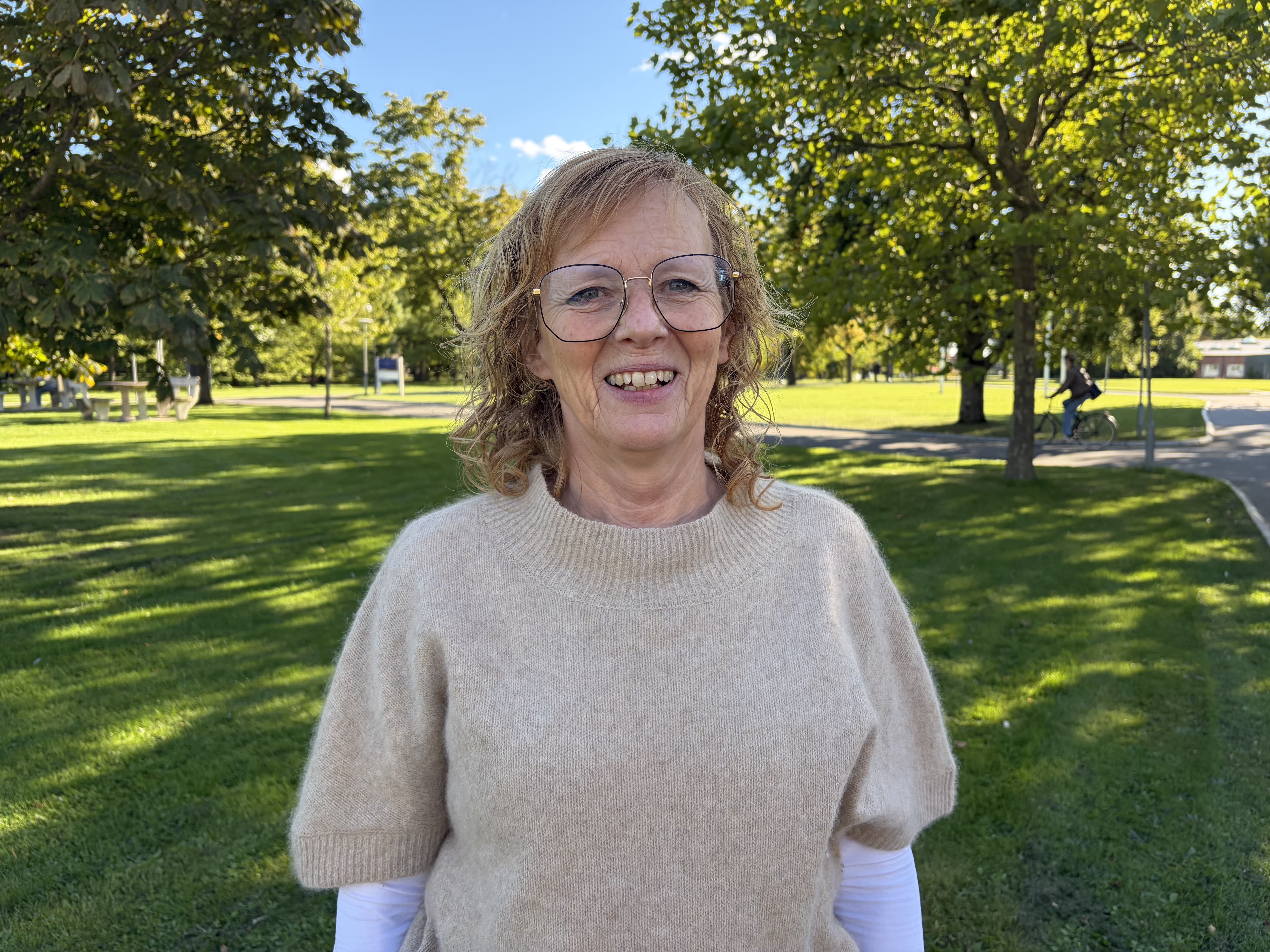
Åsa Josell is leading Biotech Heights’ work to develop a national roadmap to increase the use of biotechnology in the Swedish food sector. The roadmap will be presented during the autumn. Why is such a roadmap needed, and what does she hope it will achieve?
“The technology has an important role to play in making the food system more sustainable and increasing our self-sufficiency. We need alternative foods that are healthy and can be produced more effectively if resources become scarce. There is also a drive among many consumers to eat less meat and contribute to better consumption,” says Åsa Josell, who has more than 25 years’ experience of working in the food sector.
Yet, introducing these techniques on a large scale requires careful consideration and collaborative work, she notes. Although traditional fermentation has been used for thousands of years, and biomass-fermentation products such as Quorn for more than 30 years, newer biotechnologies such as precision fermentation, used to produce ingredients like plant-based casein and enzymes, are still not widely known or used within the food sector.
“We need to educate both the food sector and consumers about the potential of biotechnology," says Åsa Josell.
“We need to educate both the food sector and consumers about the potential of biotechnology!”
Creating a common understanding and a path forward
Creating a national roadmap in collaboration with biotech start-ups that are already working to develop new types of foods using these techniques, and companies from the Swedish food sector, is a major first step to create a common understanding of the possibilities that biotechnology holds. The roadmap should identify clear pathways forward and outline what needs to be done at different levels to increase the use of biotechnology in the food sector.
“We will absolutely need action! One important aspect is to support companies to go from pilot-scale to large-scale production to bring new foods to consumers. Currently, the funding opportunities for this transition are few, and we also lack larger test beds to trial new processes and recipes. To change this, we need both political support and private investments," says Åsa Josell.
By coming together around a shared vision that also contains concrete tasks, Åsa Josell emphasises that one can avoid many of the challenges that earlier efforts to introduce plant-based foods on a large scale in Sweden faced. She mentions how some previous plant-based products that were produced between 2010 and 2018 were found to be overly processed and lacking in nutrition, leading to some products being discontinued.
“By working together, we are in a good position to leverage biotechnology where it is really needed, and ensure that we use it to address societal, nutritional and consumer needs," says Åsa Josell.
“By working together, we are in a good position to leverage biotechnology where it is really needed, and ensure that we use it to address societal, nutritional and consumer needs," says Åsa Josell.
The roadmap will be presented during the autumn and will be based on the work and experiences of industries already working in the field. Åsa Josell has led four dialogue meetings in Umeå, Stockholm, Malmö and Gothenburg to collate the companies’ input.
“It has been great to hear companies’ perspectives, ideas and feedback. It has given us a detailed understanding of what the roadmap should contain and how to achieve the tasks we set out!”
About the roadmap project
The roadmap project is funded by Vinnova and led by Biotech Heights in collaboration with Future by Lund, The Good Food Institute, RISE, and Sweden Food Arena.


Join us in unlocking the potential of biotechnology.
We are looking forward to new partnerships.
Connect with us to collaborate.

Subscribe to our newsletter
Get the latest updates, news and events from Biotech Heights.
We issue the newsletter 5-7 times a year.