
On the way towards producing microbial casein
Casein protein is essential for producing hard cheese - that can melt, stretch and solidify. Casein is also a rich source of calcium and crucial for bone health. A new project, led by Biotech Heights, Curve and Cassius, aims to develop a non-animal casein that is more environmentally friendly than today’s dairy production.
.jpg)
Casein is the main protein in milk, making up about 80 percent of the protein in cow’s milk. Because of its high calcium content, casein is not only used to make cheese, but also to boost protein content in various products, such as sports nutrition. Casein is also used in different industrial processes: in adhesives, glues and coatings.
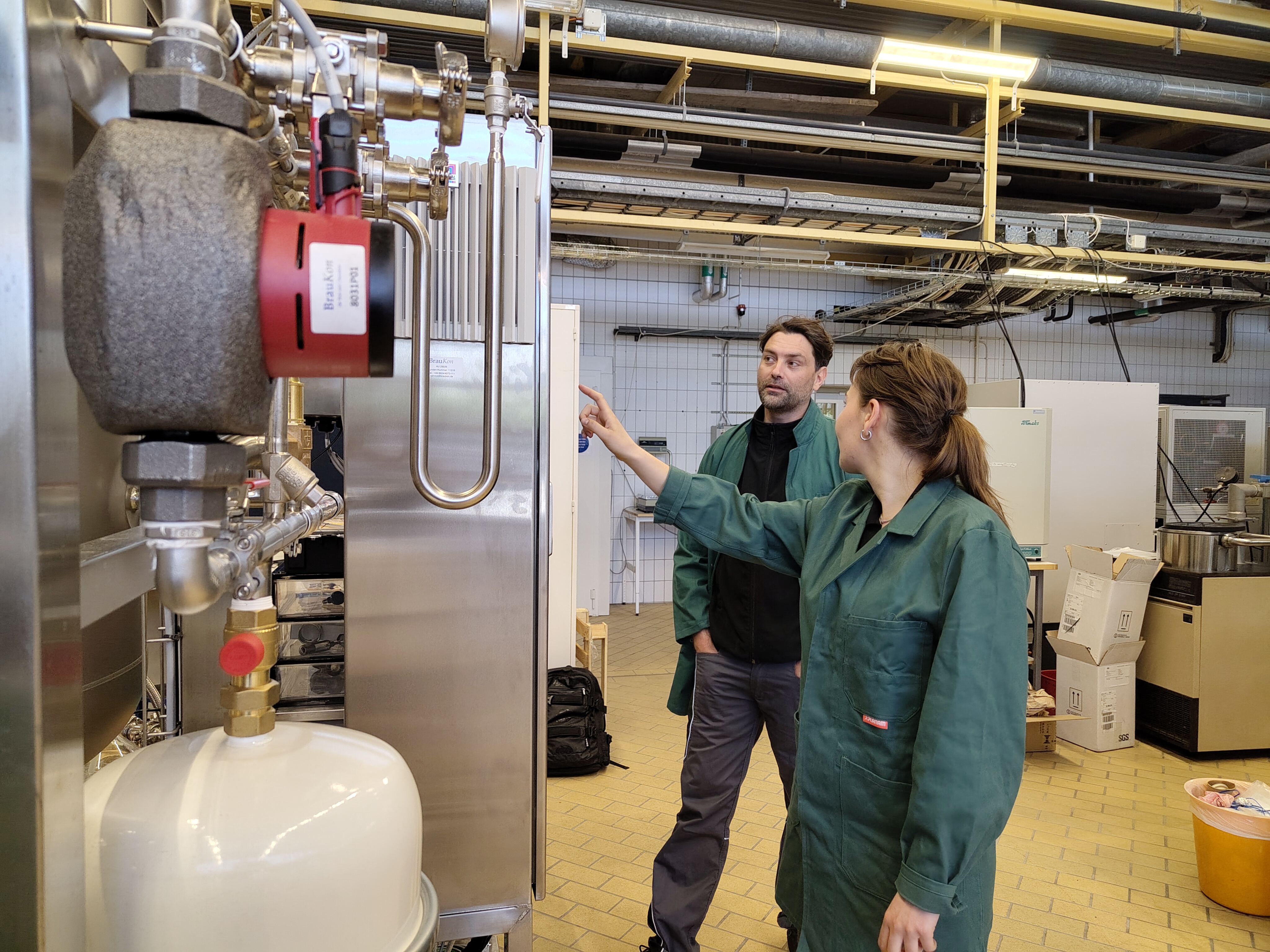
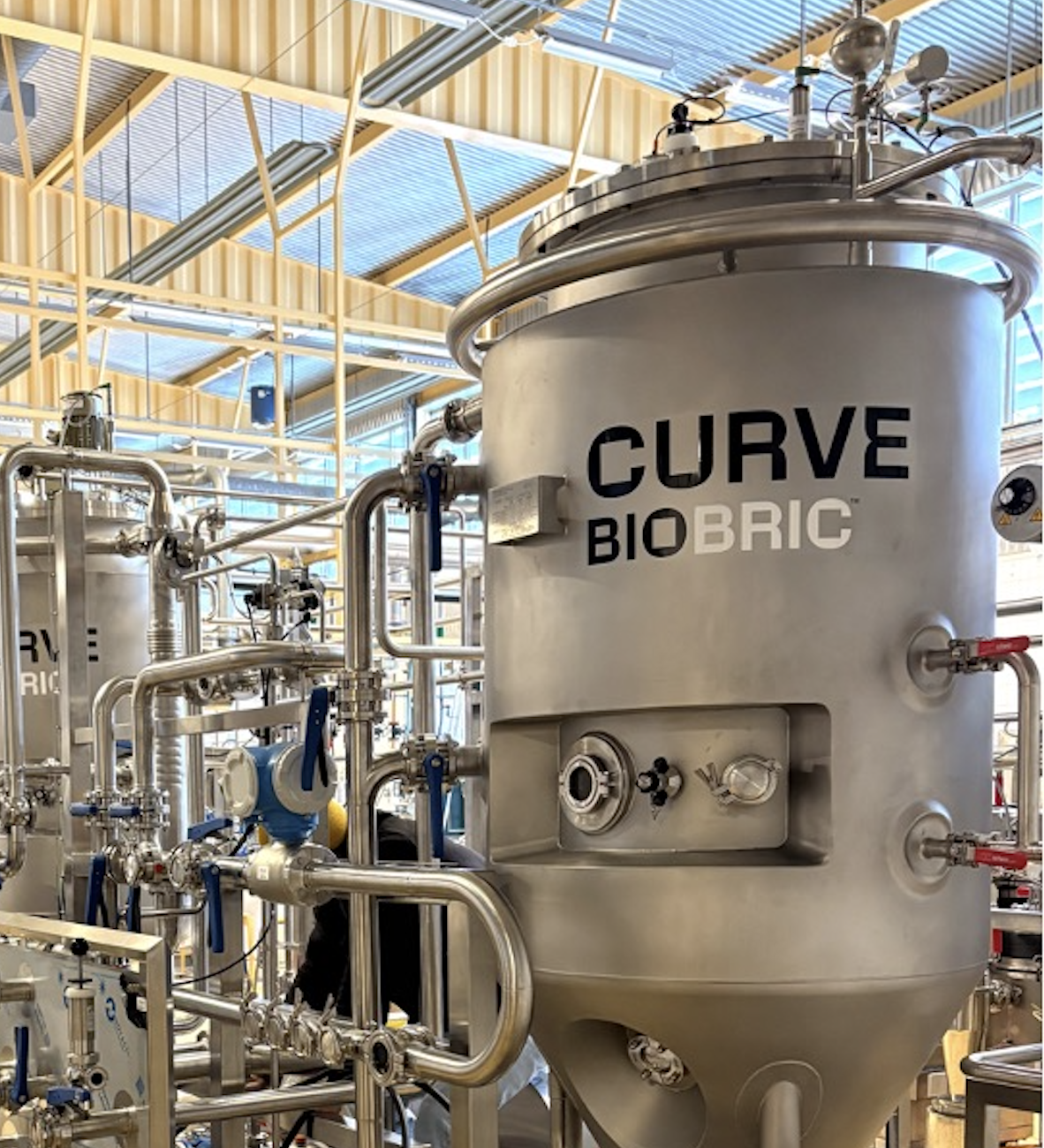
In April, as part of a Vinnova funded project, Johan Krakau, from Cassius, and Marten Schmidt and Elsa Axby from Curve, ran the very first tests with Cassius’ microorganism in Curve’s bioreactor system in the Lund University Pre-Pilot Plant. They proved very successful, validating all the process steps, while confirming equipment functionality and performance - thus demonstrating the successful scale-up of complex fermentation regimes. The next phase will focus on fine-tuning the process to optimise casein production and increase yields.
“Since I started Cassius in 2019, I’ve worked to create a process to replace milk as the starting point for casein. It is exciting to try it out now in larger scale in Curve’s bioreactors,“ says founder Johan Krakau.
Unlocking scale in precision fermentation
Curve is developing a bioreactor system that falls between the stringent requirements for bioreactors for biotech, and the fermentors in use in dairies and breweries for example. For the company, the collaboration is a way to validate that their system works for different microorganisms.
“Our system is developed to decrease capital expenditures and operational costs to unlock scale in precision fermentation. Now we are at a stage where we need to validate that our technology is efficient for cell cultivation and precision fermentation with several microorganisms, says Gittan Schiöld, co-founder of Curve.
The sole aim of Cassius is to develop non-animal casein. Johan Krakau explains that this challenge appealed to him.
“Casein is peculiar, it’s important for food production but it also has current and emerging industrial uses.” says Johan Krakau.
In his process, he uses waste streams and industrial by-products together with microorganisms to make casein.
Overcoming challenges through collaboration
So far, it has been difficult for companies to establish a commercial production of casein from microorganisms, even though the technique itself is not complicated or groundbreaking, explains Johan Krakau. The difficulty lies in going from lab scale to industrial production; and to attract the necessary investments.
“Making our casein profitable requires cost efficient production and the typical pharma type equipment simply doesn’t work for us.”
Working with Curve and Biotech Heights can support the transition from lab to large scale production, he emphasises.
“Scaling up Cassius’s precision-fermentation process for casein production not only brought us one step closer to industrial-scale manufacturing of microbial casein, but also gave us the opportunity to test, validate, and further refine our novel bioreactor hardware and software design,” says Marten Schmidt, Chief Technology Officer at Curve.
A shared goal for Cassius, Curve and Biotech Heights is to reduce the production costs not just for casein, but for all foods and materials made with precision fermentation. To create strong markets, the new products need to be worth more than the cost of making them.
“Through different collaborations we can refine and improve our system. The more products we produce in our bioreactors, the more data we can gather to gain learnings and reduce overall costs. Curve works to support customers to bridge the gap between lab to industrial scale.” says Elsa Axby, Pilot Plant Biotechnician at Curve.
Creating a more sustainable food system
All three organisations are motivated by creating a more sustainable and resilient food system. A food system that makes use of industrial and agricultural waste streams, reduces meat and dairy consumption, and support resilient producers along the whole value chain.
“Food consumption drives greenhouse gas emissions, deforestation and biodiversity loss. With the use of biotechnology, we can radically redesign what we eat, and how we produce it,” say Gittan Schiöld and Johan Krakau.




Join us in unlocking the potential of biotechnology.
We are looking forward to new partnerships.
Connect with us to collaborate.

Subscribe to our newsletter
Get the latest updates, news and events from Biotech Heights.
We issue the newsletter 5-7 times a year.